Choosing a chemical peel is less about selecting the strongest option and more about matching the treatment to your skin, concerns, and tolerance for recovery. A thoughtful assessment can help improve texture and tone while keeping the experience comfortable and medically appropriate.
For chemical peels Farmers Branch patients can receive a personalized plan at Soul Glow Medspa, where light, medium, and deep peels are selected according to individual skin needs. Chemical peeling creates controlled epidermal damage that prompts skin regeneration and remodeling, according to the NCBI Bookshelf. Results may vary.
Because the solution, concentration, application technique, and penetration depth all influence the outcome, a peel should never be treated as one-size-fits-all. Understanding what happens during the process makes it easier to see why different peels suit different goals and skin types.
Chemical Peels Farmers Branch: What Are Chemical Peels and How Do They Work
Chemical peels are professional skin treatments that use a carefully selected chemical solution to exfoliate the outer layers of the skin. Rather than simply polishing the surface, the treatment creates a controlled response that encourages the skin to renew itself. The result can be a smoother, brighter, more even-looking complexion when the peel is chosen and applied appropriately.
The process is based on controlled epidermal damage. According to the NCBI overview of chemical peeling, this controlled damage prompts skin regeneration and remodeling, which can improve the appearance and texture of the skin. A peel may be considered for concerns such as visible signs of aging, acne, uneven tone, and rough texture. It is not a one-size-fits-all procedure, however. Your skin history, current condition, goals, and tolerance for peeling all influence which approach is appropriate.
How the exfoliation process supports renewal
During treatment, a qualified professional applies a solution for a carefully selected amount of time. The ingredients loosen or remove damaged surface cells, while the controlled treatment response supports the formation of refreshed skin. Depending on the formulation and depth, you may experience mild warmth, tingling, tightness, redness, or visible peeling afterward. These responses vary by person and should be discussed during your consultation.
Chemical peels are classified by how deeply they penetrate the skin. The agent, concentration, pH, and application technique all affect the depth and associated risks, as described by NCBI. That is why an experienced provider evaluates your skin before recommending a light, medium, or deeper treatment. Careful customization is particularly important when treating pigmentation concerns or skin that is more prone to post-inflammatory color changes.
Why professional customization matters
Chemical peels remain widely used in aesthetic medicine. A review indexed by PubMed identifies them as the third most commonly performed noninvasive cosmetic procedure in the United States. Their versatility is one reason they continue to be popular, but popularity does not make every peel suitable for every person.
At Soul Glow Medspa, treatment planning begins with your individual skin needs rather than a preset formula. If you are comparing customized chemical peels in Farmers Branch with other resurfacing options, or exploring professional skin rejuvenation treatments, a consultation can help clarify which direction fits your goals. Results may vary.
The Three Depths: Superficial, Medium, and Deep
A chemical peel is not defined by the product name alone. Its penetration depth depends on the peeling agent, concentration, pH, contact time, and application technique. That combination determines how much skin is treated, what concerns may be addressed, and how much recovery to expect. The right choice should be based on your skin, goals, medical history, and tolerance for downtime, rather than selecting the strongest option by default.
| Depth | Common agents | Typical experience | Common timing |
|---|---|---|---|
| Superficial or light | Glycolic or lactic acid | Gentle exfoliation with minimal downtime; generally suitable for all skin types when properly selected | May be repeated every 2 to 5 weeks |
| Medium | Trichloroacetic acid, or TCA | More visible peeling, often lasting 1 to 2 days | May be repeated every 6 to 12 months |
| Deep | Phenol | Significant resurfacing with more than 1 week of healing | Used selectively after careful medical evaluation |
Superficial peels
Light peels work primarily within the outer layers of the skin. Glycolic and lactic acid formulas can support a brighter, smoother appearance while allowing most patients to return to their usual routine quickly. Because results are progressive, a provider may recommend a series spaced several weeks apart. “Minimal downtime” does not mean zero aftercare. So sun protection and the recommended home routine remain important.
Medium and deep peels
Medium peels reach farther into the skin and may be considered for more pronounced discoloration, texture changes, or signs of aging. TCA peels commonly involve one to two days of peeling, and maintenance treatments may be spaced six to twelve months apart. Deep phenol peels penetrate further and require at least a week of healing, making them a more intensive option that calls for detailed evaluation and aftercare planning.
Chemical peels can improve the appearance of aging skin and may help address acne and actinic keratosis when clinically appropriate, as described by the National Center for Biotechnology Information. The Cleveland Clinic also notes that deeper peels can carry a higher risk of post-inflammatory hyperpigmentation in darker skin tones. At Soul Glow Medspa, registered nurses administer treatments under the medical direction of Dr. Martinez, with the peel depth and formulation selected for your individual needs. Results may vary.
Skin Concerns Chemical Peels Can Address
Professional chemical peels can be tailored to more than one visible concern at a time. By exfoliating the outer layers of skin and supporting healthier cell turnover, they may help refine the appearance of acne, discoloration, uneven texture, and fine lines. The right solution, strength, and application technique depend on your skin’s condition, sensitivity, and treatment goals, so a personalized assessment matters.
Acne, acne scarring, and uneven texture
Some peels can help clear away excess surface buildup that contributes to congested pores and acne-prone skin. As the skin renews, treatment may also soften the appearance of mild acne scarring and improve rough, uneven texture. Chemical peels are not a substitute for medical acne care in every case, particularly when breakouts are painful, widespread, or actively inflamed. Your provider can help determine whether a peel belongs in a broader treatment plan. For a closer look at how these options compare, explore the chemical peel rejuvenation benefits for acne scars.
Hyperpigmentation, melasma, and sun spots
Uneven pigment may appear as melasma, sun spots, age spots, or post-acne discoloration. A carefully selected peel may help lift some superficial discoloration and create a more even-looking complexion. Melasma can be especially persistent and may require sun protection and an ongoing plan rather than a single procedure. Because pigment can worsen after irritation, professional customization is essential, particularly for skin tones more prone to post-inflammatory hyperpigmentation. Learn more about a chemical peel for targeted skin concerns.
Fine lines, dullness, and rough skin
By removing dull surface cells, a peel can leave skin looking smoother, brighter, and more refreshed. It may soften the appearance of fine lines and mild sun damage, although it cannot stop the aging process or replace every resurfacing treatment. Chemical peels may also be considered for selected actinic keratoses, a precancerous sun-related skin growth. The National Center for Biotechnology Information identifies acne and actinic keratosis among medical conditions that chemical peel resurfacing may address. But suspicious or changing lesions should always be evaluated by a qualified medical professional. Cleveland Clinic explains that peel depth and expected results vary by the treatment used.
At Soul Glow Medspa, the goal is not to apply the strongest peel available. It is to choose a measured, appropriate approach for the concern being treated, your skin type, and your desired outcome. Results may vary.
The Chemical Peel Experience at Soul Glow Medspa
A chemical peel at Soul Glow Medspa is designed around your skin, your concerns, and your comfort. Rather than selecting the same solution for every patient, the clinical team evaluates your skin type and goals before recommending an appropriate treatment depth. Soul Glow offers light, medium, and deep peels, allowing the plan to be tailored to the level of rejuvenation your skin can safely support.
A thoughtful consultation and skin assessment
Your visit begins with a conversation about your current skincare routine, concerns, and desired outcome. A licensed professional, such as an RN or NP, assesses your skin and considers factors that may affect treatment selection. This evaluation helps determine which peel solution and depth are appropriate for you. It also creates an opportunity to discuss realistic expectations, preparation, and any aftercare considerations before treatment begins.
Personalized treatment in a calm clinical setting
Once your plan is established, the selected peel is applied carefully by a skilled clinical team member. The application is monitored throughout the appointment, with attention to how your skin responds. A typical treatment takes approximately 30 to 45 minutes, making it a focused visit that still allows time for individualized care rather than a rushed, high-volume experience.
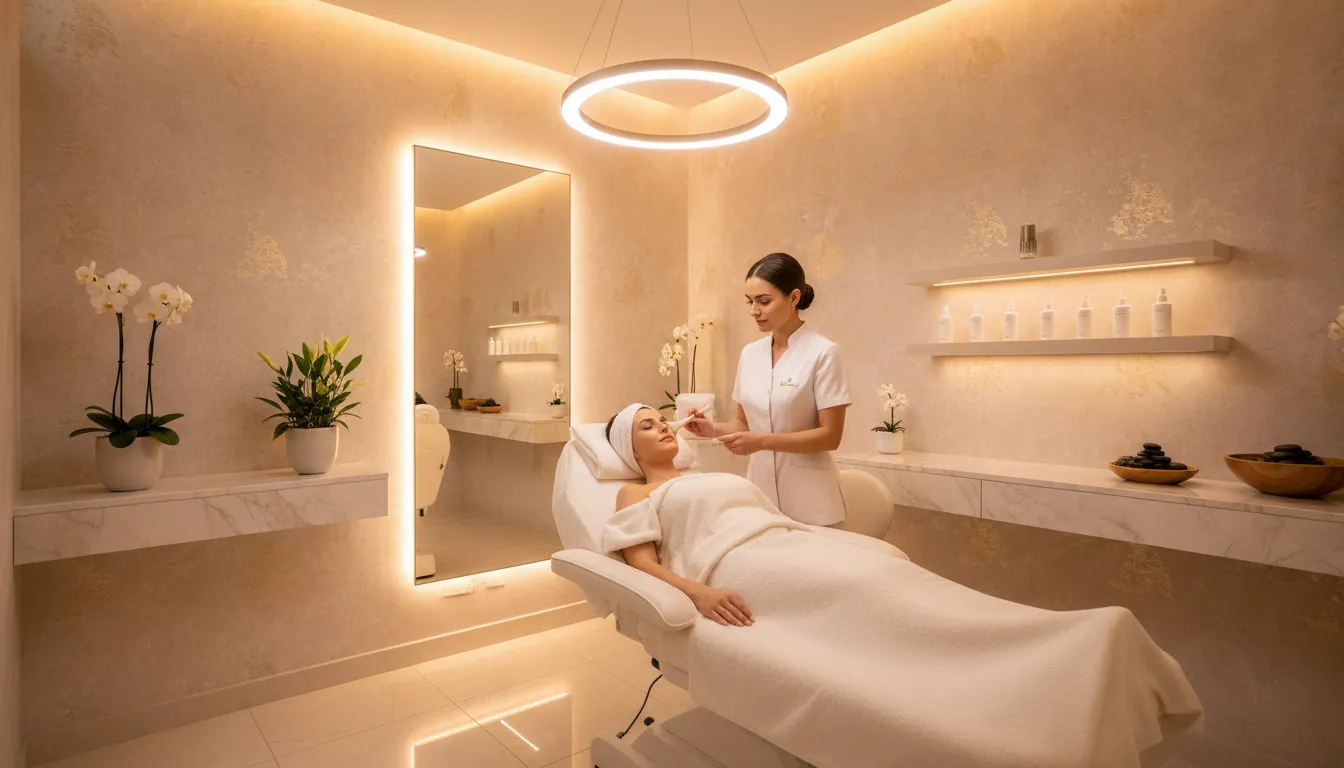
Soul Glow Medspa combines medical oversight with a relaxing, intimate atmosphere. At the clinic, located at 8 Medical Parkway, Ste 302, Farmers Branch, TX 75234, patients can expect a professional environment that feels welcoming and unhurried. Chemical peels are administered by the clinical team under the supervision of Medical Director Dr. Martinez. PA Laura performs injectable treatments at the practice, while peel care is handled by the appropriately trained team for this service.
What the treatment may feel like
During application, you may notice warmth, tingling, or a temporary sensation as the solution works on the skin. Your provider monitors your comfort and explains what to expect as the appointment progresses. Afterward, you will receive guidance for caring for your skin and supporting the healing process at home. For a closer look at the approach, explore Soul Glow Medspa’s chemical peel treatments. Results may vary.
Recovery, Results, and Aftercare
Recovery after a chemical peel depends on how deeply the solution works within the skin. Superficial peels generally involve minimal downtime, while deeper treatments can require several days of visible peeling and healing. This range is expected, not a sign that one peel is better than another. The right depth depends on your goals, skin condition, and treatment plan.
What to expect as your skin renews
With a superficial peel, you may notice mild tightness or flaking over the next few days. Many patients see brighter, smoother-looking skin within days, followed by continued improvement as the skin completes its renewal cycle. Results may vary, and the pace of change is personal.
A medium-depth peel may involve one to two days of more visible peeling, redness, or flaking. The skin can look temporarily more sensitive before its refreshed appearance becomes clear. For appropriate candidates, a medium peel may be repeated every six to twelve months to help maintain results. Deep peels require a longer recovery period, often a week or more of healing, and should be planned with careful professional guidance. UT Southwestern explains how recovery varies by peel depth.
Simple aftercare supports better healing
- Protect treated skin from the sun with broad-spectrum sunscreen and follow any additional sun-avoidance guidance from your provider.
- Cleanse gently using the products and technique recommended for your skin.
- Do not pick, pull, or manually remove peeling skin. Allow it to shed naturally.
- Pause irritating products or activities until your provider confirms that your skin barrier has recovered.
Light peels may be scheduled every two to five weeks for maintenance when that frequency is appropriate for your skin. Soul Glow Medspa will provide specific post-peel instructions, including when to resume your usual products and how to respond to expected sensitivity. Following those instructions helps keep the recovery comfortable and protects the results you are working toward.
Finding the Right Chemical Peel for Your Skin Type
The best peel is not necessarily the strongest one. It should reflect your skin type, the concern you want to address, your desired outcome, and how much peeling or recovery time fits your schedule. During a consultation, the team at Soul Glow Medspa evaluates your skin and discusses your goals before recommending an appropriate peel depth and formulation.
Match the peel to your goals and tolerance
Light glycolic or lactic acid peels are often a comfortable starting point for first-time patients. They can suit many skin types and may be appropriate when the goal is to refresh dull-looking skin. Support a smoother texture, or improve mild uneven tone with minimal downtime. A medium TCA peel may be considered for more persistent concerns, including hyperpigmentation and deeper texture changes, when a patient is prepared for more visible peeling and recovery.
Soul Glow Medspa offers light, medium, and deep chemical peels, with the treatment selected according to the individual rather than a fixed menu recommendation. Chemical peels are classified by how deeply they penetrate the skin. The agent, concentration, pH, and application technique all influence that depth and the associated risks. A deeper option is not automatically a better option for every patient.
Skin tone and safety matter
Patients with darker skin tones may have a higher risk of post-inflammatory hyperpigmentation after certain resurfacing treatments. Cleveland Clinic advises careful consideration of skin type when choosing a peel. Soul Glow Medspa’s experienced registered nurses account for this risk when planning treatment, adjusting the formulation and approach when appropriate. Medical Director Dr. Martinez oversees treatment safety and helps ensure that recommendations remain medically responsible and realistic.
That clinical perspective is part of what distinguishes about Soul Glow Medspa from a one-size-fits-all approach. The consultation is an opportunity to discuss previous reactions, current products, sun exposure, and your tolerance for downtime before moving forward. Patients considering chemical peels in Farmers Branch can contact Soul Glow Medspa to schedule a personalized assessment. Results may vary.
Frequently Asked Questions
How do I know which chemical peel is right for my skin type?
The right peel depends on your skin type, concerns, sensitivity, treatment history, and desired downtime. Soul Glow Medspa offers light, medium, and deep peels, then customizes the solution and treatment plan during a consultation. A careful assessment is especially important for darker skin tones, which can have a higher risk of post-inflammatory hyperpigmentation.
What skin concerns can a chemical peel address?
Chemical peels may help improve acne, acne scars, hyperpigmentation, melasma, uneven texture, fine lines, sun damage, and rough skin. The depth and ingredients should match the concern being treated. Your provider can explain whether a peel is appropriate on its own or as part of a broader skin rejuvenation plan.
How long does a chemical peel appointment take?
A chemical peel treatment typically takes about 30 to 45 minutes, although the total appointment may vary based on consultation, preparation, and aftercare instructions. Your provider will review what to expect before treatment and answer questions about products or activities to avoid while your skin recovers.
How much recovery time should I expect after a chemical peel?
Recovery depends on peel depth. Superficial peels generally involve minimal downtime, while medium and deep peels can cause peeling and require several days or longer to heal. Skin may look brighter and smoother within days, with continued improvement over time. Results vary, and following aftercare guidance is essential.
Where can I get a customized chemical peel in Farmers Branch?
Soul Glow Medspa provides personalized chemical peel consultations at 8 Medical Parkway, Ste 302, Farmers Branch, TX 75234. The team can review your goals, skin type, and schedule before recommending a suitable approach. Call 214-434-1584 to discuss treatment options. Results may vary.
Ready to Find Your Best Chemical Peel?
The right peel depends on your skin type, concerns, and comfort with recovery. A personalized consultation can help you choose an appropriate approach with clear expectations. Schedule a consultation at Soul Glow Medspa to discuss chemical peels in Farmers Branch with a patient-centered provider. Results may vary, and your treatment plan should be tailored to you.
