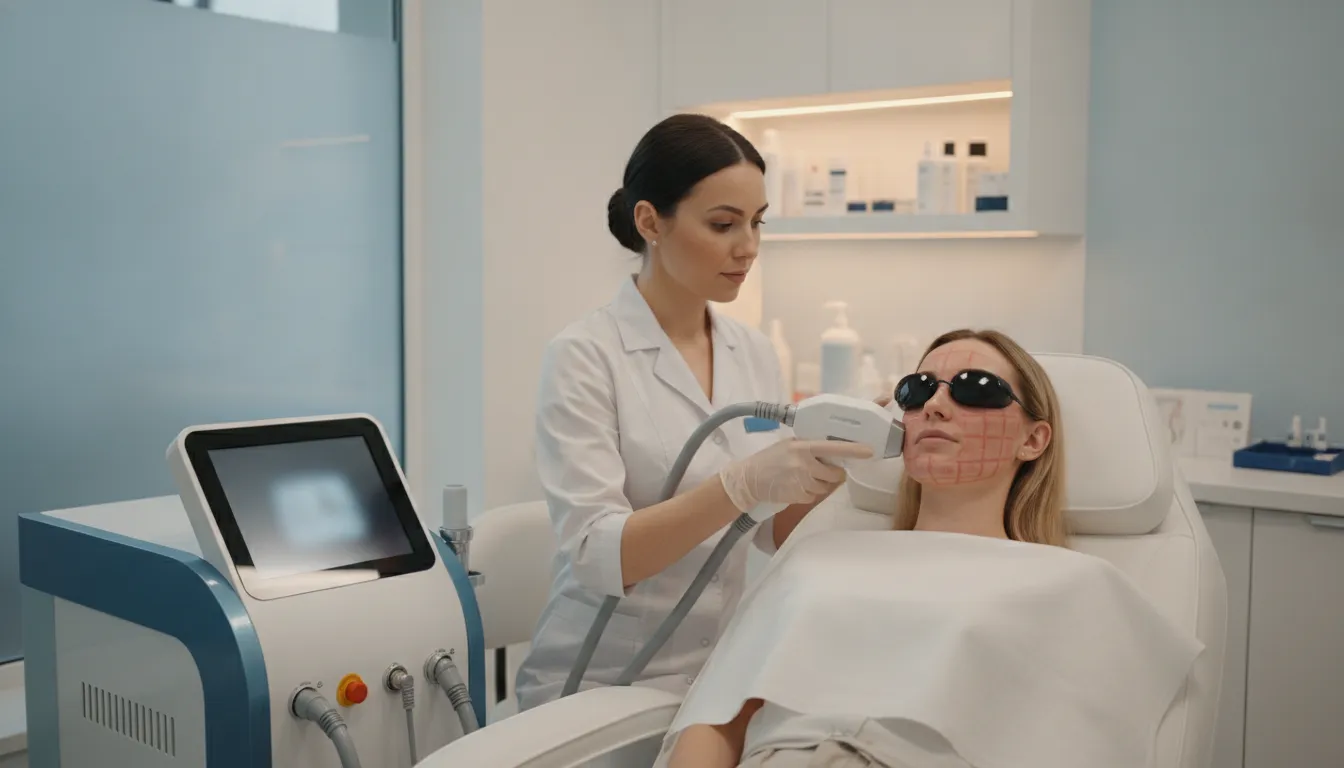
Wrinkles, acne scars, and uneven texture can persist even with a consistent skincare routine. Laser resurfacing offers a more targeted way to refresh the skin by directing controlled energy into areas affected by sun exposure, collagen loss, or scarring. The right approach depends on your skin, your goals, and how much recovery time fits your life.
Laser skin resurfacing Dallas patients receive at Soul Glow Medspa is a personalized treatment that uses ablative or non-ablative laser energy to improve wrinkles. Scars, texture, and other signs of skin damage. Medical oversight and careful patient selection help guide a plan that is appropriate for your concerns. Results may vary.
Understanding how these laser types differ makes it easier to have an informed consultation and choose a treatment path with realistic expectations. First, it helps to look at what resurfacing does beneath the surface of the skin.
What Is Laser Skin Resurfacing?
Laser skin resurfacing is a controlled treatment that uses light energy to improve the surface and structure of the skin. Depending on the laser and treatment settings, it can address damaged outer layers, stimulate collagen remodeling, or do both. The goal is not to change your natural features. It is to encourage smoother texture, more even tone, and a refreshed appearance through a carefully selected level of skin renewal.
How selective thermolysis targets the skin
The underlying mechanism is called selective thermolysis. Laser light is absorbed by natural components of the skin, including water and melanin. That absorbed energy becomes thermal energy, allowing the provider to target specific tissue while controlling the surrounding area. The depth, intensity, and pattern of treatment can be adjusted according to the concern being treated and the patient’s skin characteristics.
In ablative resurfacing, the laser removes the epidermis and portions of the superficial dermis. Removing these damaged layers can reduce visible signs of photoaging, including wrinkles, and may also improve the appearance of certain scars. As the skin heals, the treatment can support new skin growth and collagen remodeling. The National Center for Biotechnology Information provides an overview of this mechanism and its clinical uses in its reference on ablative laser resurfacing.
Ablative and non-ablative approaches
Ablative lasers, including CO2 and erbium systems, work by vaporizing or removing a controlled amount of tissue. UT Southwestern describes CO2 lasers as among the established options for resurfacing and notes that both CO2 and erbium lasers can be used in fractional modes. Fractional treatment creates targeted areas of treatment while leaving intervening skin intact, which can support the healing process.
Non-ablative resurfacing takes a different approach. It heats targeted tissue without removing the skin’s surface. This thermal stimulation can encourage collagen production and gradual improvement, often with less surface disruption than an ablative treatment. Neither approach is automatically better. The appropriate option depends on your skin concern, goals, tolerance for recovery, and clinical assessment. At Soul Glow Medspa, a consultation helps determine whether laser resurfacing is appropriate and how to tailor treatment safely. Results may vary.
Ablative vs. Non-Ablative Laser Resurfacing: Key Differences
The best resurfacing approach depends on how deeply the skin needs to be treated, how much recovery time you can set aside, and which concerns matter most. Ablative lasers remove controlled layers of skin, while non-ablative fractional treatments heat targeted tissue without removing the entire surface. Both can support smoother texture and collagen remodeling, but they offer different balances of intensity, downtime, and results.
| Feature | Ablative CO2 or Erbium | Non-Ablative Fractional |
|---|---|---|
| Depth of treatment | Removes the epidermis and part of the superficial dermis to address more established damage. | Heats targeted deeper tissue while leaving portions of the surface intact. |
| Downtime | Typically about one to two weeks, depending on treatment intensity and the area treated. | May be about two days, although redness and sensitivity can vary. |
| Number of sessions | Often selected when a more significant treatment may be appropriate, sometimes with fewer sessions. | Often performed as a series of treatments to build gradual improvement. |
| Results visible | More noticeable resurfacing can develop after healing, with collagen changes continuing over time. | Changes are generally more gradual as collagen remodeling progresses. |
| Ideal for | More pronounced wrinkles, acne scarring, sun damage, or uneven texture when appropriate for the patient. | Milder texture concerns or patients who prioritize a shorter recovery period. |
| Pain level | More intense treatment. Comfort measures are discussed during the consultation. | Usually less intense, but warmth, snapping, or sensitivity may occur. |
| Candidate skin types | Requires careful assessment of skin tone, healing history, medications, and sun exposure. | Still requires individualized evaluation, particularly for pigment-change risk. |
Ablative resurfacing removes the epidermal and superficial dermal layers, which is why it can address deeper photoaging and wrinkles. The National Center for Biotechnology Information explains this mechanism and emphasizes the importance of appropriate patient selection: review the clinical overview of laser resurfacing. CO2 has long been regarded as a gold-standard resurfacing option, while erbium can provide a different balance of depth and recovery.
How fractional technology changes the decision
Fractional delivery treats microscopic columns of tissue rather than resurfacing every part of the skin surface at once. The untreated skin between those columns supports healing, which can make the risk and recovery equation more manageable than full-field treatment. Research has found fractional CO2 resurfacing effective for acne scars and facial wrinkles through collagen remodeling, as summarized in this peer-reviewed study.
That does not make fractional treatment one-size-fits-all. A shorter recovery may mean a series is more appropriate, while a deeper ablative plan may be considered for more advanced concerns. A consultation should account for your goals, skin type, current skin condition, medical history, and ability to follow aftercare. Results may vary.
What Skin Concerns Does Laser Resurfacing Treat?
Laser resurfacing is designed for visible concerns that may not respond fully to topical skincare alone. By delivering controlled energy to selected areas of the skin, treatment can support smoother texture, more even tone, and a refreshed appearance. The appropriate approach depends on the concern being treated, its depth, your skin characteristics, and your expectations.
Fine lines, wrinkles, and sun damage
Laser resurfacing can soften fine lines and wrinkles, particularly those associated with photoaging and collagen loss. Ablative resurfacing removes the outer and superficial layers of damaged skin, which can reduce signs of photoaging and facial wrinkling. Clinical references describe ablative resurfacing as a treatment for photoaging, scarring, and facial wrinkles.
Sun damage may also appear as roughness, uneven tone, and a generally dull or weathered complexion. Resurfacing can address several of these changes in one treatment plan, although it does not replace daily sun protection or routine skin care. Before-and-after examples published by dermatology practices commonly show improvements in fine lines around the mouth, facial wrinkles, and sun-related changes. Results vary, and photographs should be viewed as examples rather than guarantees.
Acne scars and uneven texture
Acne scars often create depressions, irregular texture, or a contrast between scarred and surrounding skin. Fractional CO2 resurfacing has been studied for acne scars and facial wrinkles because controlled treatment zones can stimulate collagen remodeling during healing. Research on ablative fractional resurfacing supports its use for acne scars and photoaging-related wrinkles.
This makes laser resurfacing especially relevant when uneven texture is a deeper concern that creams or superficial exfoliation cannot adequately change. Treatment intensity and the number of sessions must be individualized, particularly when scars vary in depth or when pigmentation concerns are also present.
Uneven pigmentation and patient selection
Laser resurfacing may help improve selected pigmentation irregularities related to sun exposure and uneven skin tone. However, pigment-producing cells respond differently across skin types, and some patients may need a more conservative plan or a different treatment altogether. Proper patient selection is a critical part of safe, realistic treatment planning. Medical guidance emphasizes appropriate patient selection when considering laser resurfacing for facial rejuvenation.
Good candidates typically have a specific concern, understand the expected recovery, and recognize that improvement is not the same as perfection. A consultation allows the care team to assess your skin, discuss medical history and prior treatments, and determine whether laser resurfacing is appropriate. Results may vary.
Laser Skin Resurfacing Treatment Timeline: What to Expect
Your treatment plan depends on the laser selected, the concern being addressed, and the depth of resurfacing recommended during your consultation. A deeper ablative CO2 treatment may typically require one session, while fractional resurfacing is often planned as a series of one to three sessions. Downtime can range from approximately two days to two weeks, so your schedule and desired outcome are important parts of the planning process.
What happens during recovery?
Immediately after treatment, the skin may feel warm, tight, or sensitive. Redness and swelling are most noticeable during the first three to five days. As the outer layer heals, treated skin may flake or peel, commonly for about five to seven days. This phase is a normal part of renewal, but it is important not to pick, scrub, or accelerate the peeling process.
After the initial peeling, new skin may remain pink or flushed. That color can gradually soften over the next two to three months, particularly after a more intensive treatment. Your provider will give you individualized instructions for cleansing, moisturizing, sun protection, and returning to makeup or exercise. Following those instructions helps support comfortable healing and lowers the risk of unwanted pigment changes.
When will results appear?
Some improvements in texture and brightness may become noticeable as the surface heals. The deeper benefits continue to develop over approximately three to six months as collagen remodels. Depending on the treatment depth and your goals, additional sessions may be scheduled after your skin has fully recovered. Results vary by patient, and realistic expectations are part of safe treatment planning.
How much does laser resurfacing cost?
Published competitor pricing commonly falls around $800 to $1,500 per session, but that range is only a general reference. Your cost can vary based on the treatment area, laser type, treatment depth, and number of sessions recommended. Soul Glow Medspa provides personalized pricing during consultation, after your provider evaluates your skin and discusses the outcome you want to achieve. Results may vary.
Why Choose Soul Glow Medspa for Laser Skin Resurfacing in Dallas
Choosing a laser resurfacing provider involves more than comparing devices. It means finding a clinical team that evaluates your skin, understands your goals, and recommends an appropriate treatment depth and recovery plan. Soul Glow Medspa brings that personalized approach to patients in Farmers Branch and the North Dallas area. With laser resurfacing options tailored to concerns such as wrinkles, scars, and uneven texture.
Dr. Ricardo Martinez, Medical Director, provides medical oversight for all energy-based procedures at Soul Glow Medspa. That oversight supports careful patient selection and coordinated care, both important considerations for a significant facial rejuvenation procedure. During a consultation, the team can discuss your medical history, skin concerns, treatment goals, and the practical details of recovery before recommending an approach. Results may vary.
Laser resurfacing can also be part of a broader skin rejuvenation plan rather than an isolated treatment. Depending on your needs, your provider may discuss advanced laser and RF skin rejuvenation through Matrix Pro. Matrix Pro includes radiofrequency skin tightening and sublative skin treatments, offering a distinct way to support texture and firmness.
For patients whose primary concern is uneven texture or visible scarring, the conversation may also include options for treating skin scars and texture. Others may benefit from alternative skin resurfacing options, such as a chemical peel selected for their skin type and goals. The right recommendation depends on an individualized assessment, not a one-size-fits-all menu.
Soul Glow Medspa is located at 8 Medical Parkway, Ste 302, Farmers Branch, TX 75234. The office is open Monday through Saturday from 10:00 AM to 6:00 PM and closed Sunday. To discuss whether laser resurfacing is appropriate for you, call 214-434-1584.
Frequently Asked Questions
How much does laser skin resurfacing cost in Dallas?
Cost varies with the laser technology, treatment depth, treatment area, and number of sessions recommended. A consultation is the most reliable way to receive a personalized estimate. Because the right plan depends on your skin concerns, goals, and candidacy rather than a one-size-fits-all price.
Is laser skin resurfacing painful?
Most patients describe the treatment as warm, prickly, or uncomfortable rather than sharply painful. Comfort measures can be discussed during your consultation, and the expected sensation depends on the laser type and intensity selected for your skin.
How much downtime should I expect?
Downtime depends on whether the treatment is ablative or non-ablative and how deeply the skin is treated. Mild redness and sensitivity may occur after lighter treatments, while deeper resurfacing generally requires more visible recovery. Your provider will explain aftercare and when you can resume normal activities.
How long do laser resurfacing results last?
Results can be long lasting, but they do not stop the natural aging process or prevent new sun damage. A consistent skincare routine, daily sun protection, and any maintenance treatments recommended for your skin can help preserve improvements in texture and the appearance of wrinkles or scars. Results may vary.
Who is a good candidate for laser resurfacing?
Good candidates are people with concerns such as fine lines, wrinkles, acne scars. Uneven texture, or sun-related changes who have realistic expectations and are willing to follow recovery instructions. Proper patient selection is important, so a provider should review your skin, health history, goals, and treatment options before recommending a plan.
Schedule Your Laser Resurfacing Consultation
A personalized consultation can help clarify which laser skin resurfacing approach best aligns with your wrinkles, scars, skin type, and goals. Soul Glow Medspa provides patient-centered guidance for clients in Farmers Branch and the North Dallas area. To schedule a free consultation, call 214-434-1584 and speak with the team about your next step. Results may vary, and your provider will discuss realistic expectations during your visit.
