
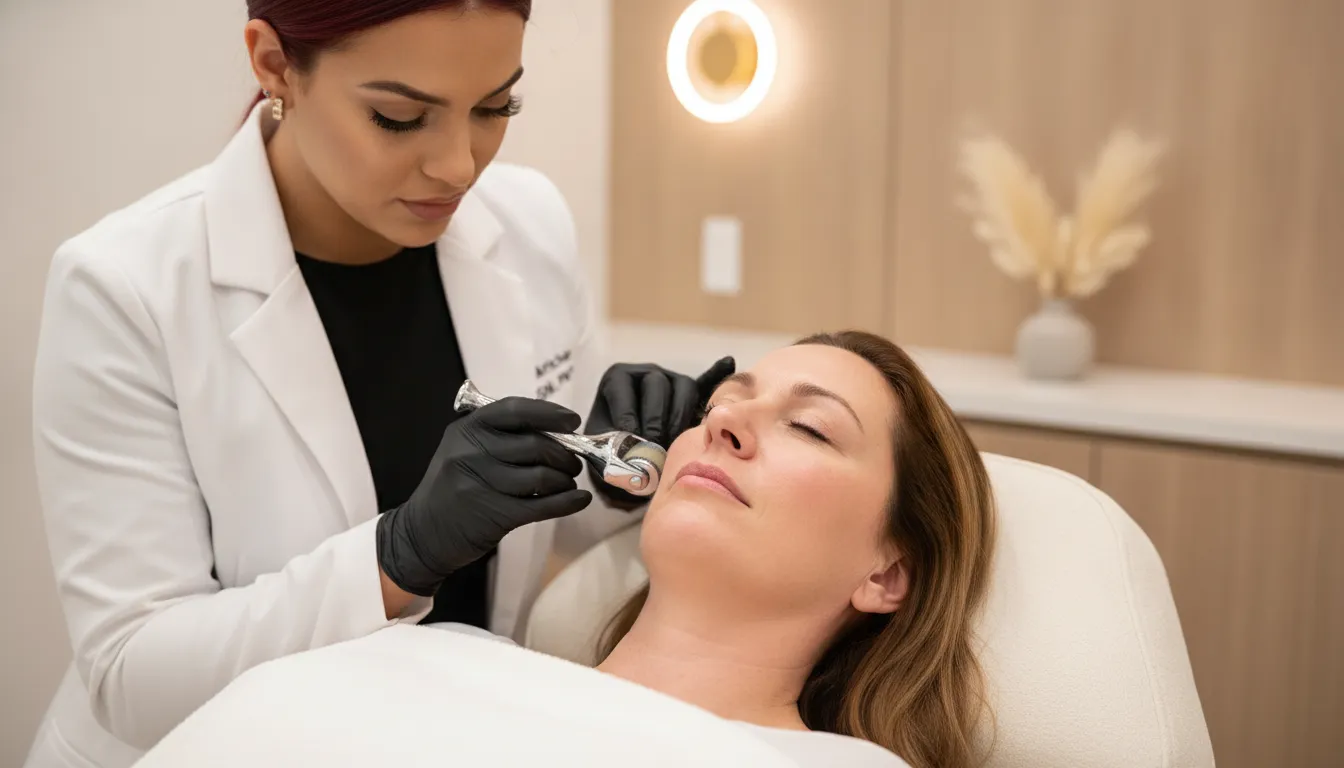
Microneedling is not a one-size-fits-all treatment. The device, the condition being treated, and the way your skin responds all shape the experience. Adding platelet-rich plasma can make the plan different because it combines controlled skin stimulation with an autologous adjunct prepared from your own blood.
When comparing microneedling with prp near me, look beyond the label: PRP microneedling may suit concerns such as uneven texture, enlarged pores, fine lines, acne scars, dull tone, or sun-related changes. Candidacy, recovery, and the number of sessions depend on your skin history, goals, and treatment intensity. Results may vary.
At Soul Glow Medspa in Farmers Branch, a personalized assessment helps clarify whether standard microneedling, PRP combination therapy, or another skin treatment is the more appropriate starting point. Understanding what PRP is and how it is used with microneedling is the first step.
Schedule a personalized consultation
What Is PRP, and How Does It Enhance Microneedling?
Platelet-rich plasma, or PRP, is a concentrated portion of a patient’s own blood prepared for use as part of a treatment plan. Because the material comes from the patient, it is described as an autologous adjunct. In a PRP microneedling session, the provider combines this blood-derived material with the controlled skin stimulation created by microneedling.
Traditional microneedling uses a device to create precise, controlled micro-injuries or channels in the skin. This process is intended to support the skin’s natural repair response and may help refine the appearance of uneven texture over time. PRP does not replace that process. Instead, it is added as a separate component after the patient’s blood is collected and processed according to the provider’s protocol.
Why add PRP to microneedling?
PRP contains platelets and naturally occurring blood components, including growth factors. When used with microneedling, it may provide an additional regenerative element to a treatment already focused on skin renewal. The goal is not to promise a specific amount of collagen, erase a scar, or cure a skin condition. The potential value is a coordinated approach that pairs controlled stimulation with the patient’s own blood-derived material.
This combination may be considered for concerns such as fine lines, visible pores, uneven texture, dull tone, acne scars, sun-related changes, and early signs of aging. Suitability depends on your skin history, current condition, goals, medications, and tolerance for recovery. A consultation helps determine whether standard microneedling, PRP combination therapy, or another skin treatment is the more appropriate option.
Soul Glow Medspa lists PRP for skin and microneedling with growth factors among its regenerative offerings. You can review the microneedling service page for treatment context, then discuss your candidacy with the qualified medical team under the oversight of Medical Director Dr. Ricardo Martinez. Results may vary, and an individualized plan is more useful than assuming PRP is the right choice for every patient.
What Skin Concerns Can Microneedling With PRP Address?
Microneedling with PRP may be considered when several surface-level concerns overlap, rather than when a patient is seeking one universal fix. The controlled micro-injuries created by microneedling can support gradual texture refinement, while platelet-rich plasma, prepared from the patient’s own blood, may be added as an autologous adjunct. The appropriate approach depends on skin history, goals, sensitivity, and the provider’s assessment.
Texture, pores, and acne scars
Uneven texture and the appearance of enlarged pores are common reasons patients explore microneedling. A carefully planned series may help the skin look more even and refined over time. Acne scars can also be part of the discussion, particularly when the concern involves textural irregularity. Scar type, depth, active breakouts, pigmentation risk, and previous treatments all affect candidacy. Microneedling with PRP should not be presented as a guaranteed way to remove scars, and it may not be the best first choice for every scar pattern.
Fine lines and early signs of aging
Patients noticing fine lines, mild laxity, or early changes in skin resilience may consider this treatment as part of a broader rejuvenation plan. The goal is typically a progressive improvement in the look and feel of the skin, not an instant correction or a substitute for every anti-aging option. A consultation can help determine whether traditional microneedling, PRP combination therapy, or another modality better fits the concern and desired downtime.
Dull tone and sun-related unevenness
Dull-looking skin, uneven tone, sun-related changes, and hyperpigmentation may also be evaluated. These concerns require particular care because pigment can respond differently according to skin type, sun exposure, inflammation, and prior treatment. A provider may recommend a different sequence or complementary treatment when pigment is the primary issue. Protecting the skin from excess sun exposure and following individualized aftercare are important parts of planning. For a broader overview of available options, review the skin treatments guide.
At Soul Glow Medspa, treatment recommendations are customized rather than based on a fixed promise. Results may vary, and an evaluation under Medical Director oversight helps clarify realistic goals, candidacy, and alternatives.
How Is PRP Microneedling Different From Standard Microneedling?
These treatments are related, but they are not interchangeable. Standard microneedling uses controlled micro-injuries to support skin texture refinement. PRP combination therapy adds platelet-rich plasma prepared from your own blood as an adjunct. The right choice depends on your skin history, goals, desired level of treatment, and comfort with recovery.
For a closer look at the traditional approach, review what to expect with SkinPen. Other options use different forms of energy or chemical exfoliation, so a consultation should compare the whole treatment plan rather than focus on one label.
| Option | Primary modality | Planning focus | Recovery considerations |
|---|---|---|---|
| Standard microneedling | Controlled microneedling channels in the skin | Texture, pores, fine lines, and overall skin quality | Redness and sensitivity may occur. Makeup, active skincare, sun, heat, and exercise timing should follow provider instructions. |
| PRP combination therapy | Microneedling paired with autologous platelet-rich plasma | Whether adding PRP fits the patient’s goals, skin condition, and treatment plan | Recovery can include redness and sensitivity from microneedling. The provider sets individualized aftercare expectations. |
| RF microneedling | Microneedling with radiofrequency energy | Whether added heat-based energy is appropriate for tightening goals | Redness, warmth, or sensitivity may occur. Intensity and aftercare influence the recovery experience. Explore RF microneedling alternatives. |
| Chemical peel | Topical chemical exfoliation at a selected depth | Product selection, skin sensitivity, pigmentation history, and desired exfoliation | Peeling, sensitivity, or temporary redness may occur, depending on the formulation and depth. |
| Laser treatment | Focused light or laser energy | Device selection, pigmentation or texture concern, skin type, and energy settings | Redness, sensitivity, or other downtime can vary substantially by device and treatment intensity. |
PRP is not automatically a better choice, and a more intensive modality is not automatically appropriate. At Soul Glow Medspa, the team considers candidacy, skin type, treatment goals, and realistic downtime before recommending an approach. Results may vary.
What Is Recovery Like After Microneedling With PRP?
Recovery is usually planned around a short period of visible redness and sensitivity, but the experience can differ with your skin, treatment intensity, and provider-directed plan. A careful aftercare conversation is part of preparing for treatment, especially if you have work, travel, exercise, or an event coming up.
- Follow your provider’s first-day instructions. Your skin may look flushed, feel warm or tight, or show small pinpoint effects after treatment. PRP does not make recovery identical for every patient. Use only the products and cleansing approach recommended by your treating provider, rather than adding products from your regular routine.
- Keep the treated skin calm and protected. Avoid rubbing, picking, or applying unapproved products while the skin barrier is recovering. Your provider can explain when to restart active ingredients such as retinoids, exfoliating acids, or other potentially irritating skincare. That timing should reflect your response, not a rigid universal schedule.
- Ask when makeup is appropriate. Makeup is commonly delayed while the skin settles, but the right timing depends on the treatment and your provider’s instructions. If you need coverage for work, ask about the safest point to resume makeup before your appointment so you can plan realistically.
- Limit sun, heat, and strenuous exercise as directed. Direct sun exposure, high heat, and heavy sweating may increase discomfort or irritation during early recovery. Follow the clinic’s guidance for sun protection and for returning to workouts, saunas, hot environments, or outdoor activities.
- Contact the clinic about unexpected or worsening symptoms. Mild redness and sensitivity can be part of the expected response. Reach out to your provider if symptoms seem unusual for your plan, become increasingly uncomfortable, or raise concern. The clinical team can determine whether you need specific guidance. Results may vary, so follow-up is an important part of individualized care.
Planning recovery with a qualified provider helps you understand what is expected for your skin and when normal activities can resume. Soul Glow Medspa develops treatment guidance around your goals, skin history, and response.
How Many Microneedling With PRP Near Me Sessions Might You Need?
There is no universal treatment count for PRP microneedling. Your recommended plan may reflect the concern being treated, the intensity appropriate for your skin, your response between appointments, and the result you hope to achieve. Someone focused on overall texture may follow a different schedule from someone addressing acne-scar irregularity, fine lines, or uneven tone.
During an assessment, your provider can review your skin history, current products, healing patterns, and downtime preferences. That conversation helps determine whether PRP microneedling is appropriate and how much treatment your skin can comfortably tolerate. The plan may also change as your provider observes how your skin responds.
A general guidepost, not a promise
Soul Glow’s knowledge base describes two to three sessions as a general guidepost for texture-focused skin treatments. This is not a fixed PRP microneedling protocol or a guarantee of results. Some patients may need fewer appointments for a modest goal, while others may benefit from additional treatment or a different modality when their concern requires another approach. Results may vary.
Appointments are typically spaced far enough apart to allow the skin to recover and for changes to become easier to evaluate. At a follow-up, your provider can reassess texture, tone, sensitivity, and progress before recommending another session. A maintenance appointment may be considered later, but its timing depends on your goals, skin condition, and ongoing skincare routine rather than a preset calendar.
It is also helpful to plan for gradual improvement instead of an immediate final result. Skin response develops over time, and realistic expectations support better decisions about whether to continue, adjust intensity, or consider an alternative. Medical oversight and a personalized evaluation are central to that process at Soul Glow Medspa.
Schedule a personalized consultation
If you are comparing options in Farmers Branch or North Dallas, bring your priorities and questions to the consultation. Your provider can explain the likely sequence, recovery considerations, and reassessment points for your skin, without promising a result or session count that cannot be determined in advance.
Frequently Asked Questions
What is the benefit of adding PRP to microneedling?
Platelet-rich plasma, or PRP, is prepared from a small sample of your own blood. Adding it to microneedling introduces an autologous, blood-derived adjunct to a treatment that already creates controlled micro-injuries for texture refinement. The combination may support the skin’s repair process, but results vary and no outcome is guaranteed.
Does microneedling with PRP hurt?
Most patients describe pressure, vibration, or a prickling sensation rather than significant pain. A topical numbing product may be used before treatment to improve comfort. Your provider can adjust the approach based on your sensitivity, treatment area, and planned intensity.
What is the downtime after microneedling with PRP?
Temporary redness, sensitivity, and pinpoint effects can occur after treatment. Your provider will give specific instructions about makeup, active skincare, sun exposure, heat, and exercise while your skin recovers. Follow those instructions rather than relying on a universal timeline, and contact the practice if an unexpected symptom concerns you.
How many microneedling with PRP treatments will I need?
The number depends on your concern, skin history, treatment intensity, response, and goals. A general texture guidepost may be two to three sessions, but that is not a fixed protocol. A personalized assessment and reassessment after treatment help determine whether a series or maintenance plan is appropriate.
When will I see results from microneedling with PRP?
Some changes may be noticed as the skin settles, while texture-related improvements can develop progressively over the following weeks and across a planned series. Your provider will discuss a realistic timeline based on your starting point and goals. Results may vary.
Ready to Plan Your PRP Microneedling Treatment?
A personalized consultation can help connect your skin concerns, treatment goals, and recovery expectations with an appropriate plan. Soul Glow Medspa serves Farmers Branch and the North Dallas area with care guided by Medical Director oversight. Results may vary. Schedule a personalized microneedling with PRP consultation to discuss candidacy and next steps with the team.
