
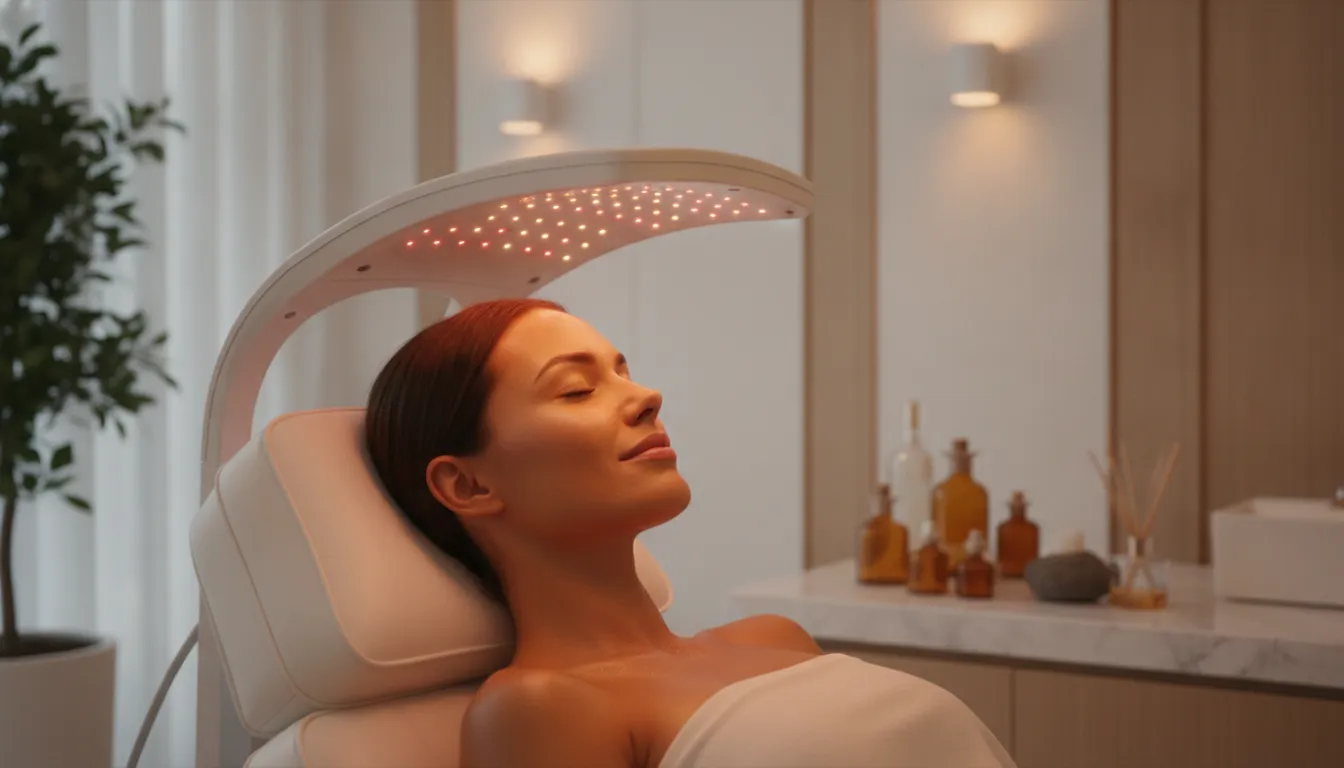
Texas sun can leave skin looking uneven long after a day outdoors, while persistent facial redness may make an otherwise healthy complexion feel less balanced. A personalized light-based treatment can address both concerns without surgery or a lengthy recovery.
An IPL photofacial Farmers Branch patients choose at Soul Glow Medspa uses non-surgical, polychromatic light therapy to support skin rejuvenation. The treatment is designed to help improve the appearance of sun damage and redness, while treatment planning is tailored to your skin, goals, and comfort. Research has reported IPL efficacy for concerns including hyperpigmentation and erythema; results may vary. Read the clinical review.
At Soul Glow Medspa, informed care begins with understanding what IPL light does beneath the surface and why it can influence both pigment and visible vascular redness. That foundation helps you evaluate whether this approach fits your complexion and expectations.
What Is an IPL Photofacial and How Does It Work?
For people considering an IPL photofacial Farmers Branch treatment, the technology is best understood as controlled light therapy rather than a conventional laser. Intense Pulsed Light (IPL) uses non-collimated, polychromatic, noncoherent light. In practical terms, that means the device delivers brief pulses across a broad range of wavelengths instead of one concentrated beam. A clinical review describes IPL as a nonsurgical therapy used for skin rejuvenation. Research published in PubMed reports its use for concerns including telangiectasia, erythema, hyperpigmentation, and photoaging.
Broad-spectrum light reaches more than one target
IPL devices can deliver multiple wavelengths, commonly within a range of approximately 500 to 1200 nanometers. Each wavelength interacts with a different chromophore, or light-absorbing target, in the skin. Melanin absorbs light associated with unwanted brown pigment, while hemoglobin absorbs light in blood vessels. The device settings are selected according to your skin tone, treatment goals, and the concern being addressed. This targeted approach allows one treatment platform to address visible discoloration and redness within the same overall plan.
How IPL addresses pigment and redness
When the selected light is absorbed, it creates controlled heat in the intended target while limiting unnecessary exposure to surrounding tissue. Pigment absorbs the energy and can become more visibly pronounced before the body gradually clears it. In superficial vessels, the heat can produce thermocoagulation, helping reduce the appearance of vascular lesions and redness. The technology’s early development focused on leg telangiectasias in 1992, according to the NCBI Bookshelf. That history reflects IPL’s original vascular application, even though modern photofacials may address several signs of photodamage.
At Soul Glow Medspa, an IPL photofacial may be considered as part of a personalized plan for sun damage and facial redness. You can explore the clinic’s advanced skin rejuvenation treatments to compare options and discuss which approach fits your skin. IPL is different from a laser, which typically emits a single wavelength selected for a more specific target. Some patients may instead benefit from focused laser treatment options, depending on the condition, skin characteristics, and desired outcome. A consultation helps determine the safest and most appropriate technology. Results may vary.
How IPL Photofacial Treats Sun Damage and Facial Redness
Texas sunshine can leave visible changes behind, even when daily sun exposure feels routine. Over time, ultraviolet exposure may contribute to uneven pigmentation, sun spots, and a persistently flushed appearance. For Farmers Branch residents who want to address more than one concern at a time. An IPL photofacial can be a thoughtful option for improving the overall clarity and evenness of the complexion.
Reducing sun spots and uneven pigmentation
IPL uses controlled pulses of broad-spectrum light to address pigment concentrated in areas of sun damage. That includes lentigines, commonly called age spots, as well as other forms of hyperpigmentation associated with photoaging. The light energy is absorbed by targeted pigment, allowing the body to gradually clear the treated areas as the skin renews itself.
A review of IPL research found efficacy for hyperpigmentation, lentigines, and photoaging measures, along with several vascular concerns. This does not mean every dark spot should be treated automatically. A qualified provider should evaluate a changing, irregular, or otherwise suspicious lesion before cosmetic treatment. The goal is a personalized plan that distinguishes treatable sun-related discoloration from concerns that need medical assessment.
Calming visible facial redness
IPL can also address vascular components of facial redness, including telangiectasia, or small visible blood vessels, and erythema. Research has reported benefits for both telangiectasia and erythema. Historically, IPL was first developed for leg telangiectasias, and its vascular applications remain an important part of its clinical role. The treatment works by delivering light energy to selected blood vessels, which can thermocoagulate them while limiting injury to the surrounding skin.
That makes IPL relevant for concerns such as broken capillaries around the nose and cheeks, diffuse flushing, and some redness associated with rosacea. Rosacea has different presentations, however, and IPL may not be appropriate for every patient or every stage of the condition. During a consultation, your provider can review your skin history, medications, sensitivity, and pattern of redness before recommending treatment. For larger or lower-body vascular concerns, spider vein treatments may involve a different approach.
A tailored approach for Farmers Branch skin
At Soul Glow Medspa, the IPL Photofacial is designed to help treat sun damage and redness with an individualized clinical plan. Your provider can discuss whether pigment, vascular changes, or both are contributing to your appearance, then adjust the treatment approach to your skin tone and goals. Consistent sun protection remains essential before and after treatment, especially in the Texas climate. Results vary, and an in-person assessment is the best way to determine whether IPL is appropriate for you.
The IPL Photofacial Experience at Soul Glow Medspa in Farmers Branch
Your visit begins with a personalized assessment of your skin tone, pigmentation, redness, and treatment goals. The team can then determine whether an IPL photofacial is appropriate for your concerns and discuss a plan that fits your skin and schedule. At Soul Glow Medspa, PA Laura performs injectable and treatment procedures in a calm, clinical setting with medical oversight.
What happens during the appointment?
An IPL photofacial appointment typically takes about 30 to 60 minutes. After the skin is prepared, the device delivers controlled pulses of broad-spectrum light to selected areas. Patients commonly describe the sensation as a mild rubber-band snap or brief sting. Comfort can vary by person and treatment area, so your provider can adjust the approach as needed.
The goal is not to rush through a standardized protocol. Your provider considers the appearance of sun damage and redness, your skin’s response, and the number of areas being treated. Soul Glow’s IPL Photofacial is designed to help address sun damage and redness while supporting a more even-looking complexion. Explore Soul Glow Medspa’s advanced skin rejuvenation treatments to compare options before your consultation.
How many sessions may you need?
Many treatment plans involve three to five IPL sessions spaced approximately three to four weeks apart. The appropriate number depends on your concerns, skin response, and clinical goals. In a published review of IPL for skin rejuvenation, patients received a mean of 4.29 sessions, with a reported range of three to seven sessions (PubMed). This is a research reference, not a guarantee or a substitute for an individualized recommendation.
During your consultation, ask what changes are realistic for your skin and when progress should be reviewed. Results may vary, and consistent sun protection is an important part of protecting treated skin between appointments.
Plan your Farmers Branch visit
Soul Glow Medspa is located at 8 Medical Parkway, Ste 302, Farmers Branch, TX 75234. Appointments are available Monday through Saturday from 10:00 AM to 6:00 PM. Call +12144341584 to schedule a consultation and discuss whether an IPL photofacial is right for you.
IPL Recovery, Aftercare, and Results Timeline
Planning for recovery helps you protect the treated skin and understand what changes are normal. Your provider will tailor aftercare to your skin type, treatment settings, and the concerns being addressed. Follow the instructions provided at your appointment, especially if they differ from general guidance.
-
Step 1: Care for your skin immediately after treatment
It is common for treated skin to look pink or feel sensitive after an IPL photofacial. Mild swelling may also occur. These effects generally subside within 24 to 48 hours, although sensitivity can occasionally last longer. Keep the area clean, use only the products recommended by your provider, and avoid picking, scrubbing, or applying irritating active ingredients while the skin settles. A cool compress may help ease temporary warmth or swelling when used as directed.
-
Step 2: Expect treated spots to change during the first week
Brown spots and areas of uneven pigmentation can appear darker about 24 hours after treatment. This is part of the expected response as treated pigment moves toward the surface. The spots typically flake or fade over the following one to two weeks. Let this process happen naturally rather than exfoliating aggressively or removing the flaking skin. Contact Soul Glow Medspa if you experience unexpected blistering, severe pain, or a reaction that concerns you.
-
Step 3: Protect your results from sun exposure
Treated skin is more vulnerable to sunburn and post-treatment discoloration. Minimize direct sun exposure for at least five days, and follow your provider’s guidance for longer protection when needed. Apply a broad-spectrum SPF 50 as directed, reapply when outdoors, and use a hat or other physical barrier for additional coverage. Consistent sun protection is particularly important for patients seeking an IPL photofacial in Farmers Branch, where daily outdoor exposure can contribute to recurring pigment concerns.
-
Step 4: Track gradual improvement across your treatment series
Some patients notice visible improvement after one to three sessions, but IPL results build progressively. A series of three to five treatments, commonly spaced several weeks apart, may be recommended based on your goals and clinical assessment. A review of IPL skin rejuvenation studies reported a mean of 4.29 sessions, with a range of three to seven, which illustrates why an individualized plan matters. After the full series, your provider can discuss maintenance and how to preserve improvements in tone, redness, and overall skin clarity. Results may vary.
IPL Photofacial vs. Laser Treatments: What is the Difference?
IPL and laser treatments both use light energy, but they are not interchangeable. The right option depends on the concern being treated, the depth of treatment needed, and your skin’s condition at the time of consultation. An IPL photofacial uses broad-spectrum, polychromatic light with multiple wavelengths. Lasers generally use one focused wavelength selected for a more specific target.
| Treatment | How the light works | Common focus | May be a better fit when |
|---|---|---|---|
| IPL photofacial | Broad-spectrum light delivers multiple wavelengths to address more than one visible concern. | Diffuse sun damage, uneven pigment, facial redness, and overall complexion tone. | You want a complexion-focused treatment for widespread discoloration or redness rather than deep resurfacing. |
| Laser treatment | A concentrated beam uses a selected wavelength for a defined treatment target. | Deeper resurfacing, hair removal, tattoos, or specific vascular concerns, depending on the laser. | Your treatment plan calls for more targeted energy or a deeper change in the skin’s surface or structure. |
Why IPL can suit diffuse sun damage and redness
Because IPL uses multiple wavelengths, it can address pigment and vascular concerns within the same complexion-focused treatment. Research reviews report efficacy for concerns including telangiectasia, hyperpigmentation, erythema, lentigines, and photoaging. IPL is also described as a non-surgical therapy for skin rejuvenation. Read the PubMed review of IPL research.
That broader approach can be useful when sun exposure has left the skin with several overlapping concerns, such as brown spots and generalized redness. Soul Glow Medspa’s IPL Photofacial is intended to help treat sun damage and redness, but candidacy and treatment settings should be determined after an individualized assessment. Results may vary.
When a laser may be more appropriate
Laser treatments are selected for a narrower objective. For example, a resurfacing laser may be chosen when deeper surface renewal is the priority. While a vascular dye laser or another specialized laser may be considered for a specific vascular concern. Laser energy is also commonly used for focused goals such as tattoo or hair removal. These treatments require careful selection of device, settings, and treatment area.
Soul Glow Medspa offers both IPL and laser treatments as part of its comprehensive skin treatment lineup. Explore advanced skin rejuvenation treatments and laser treatment options to see how the services differ. A consultation can help determine whether a broad complexion treatment or a more targeted laser plan better aligns with your goals.
Frequently Asked Questions
Does an IPL photofacial hurt?
Most patients describe the sensation as a series of quick snaps or brief stinging, similar to a rubber band against the skin. Comfort varies by person, and your provider can discuss practical ways to make the treatment more comfortable during your consultation.
How many IPL sessions will I need?
The number of treatments depends on your skin tone, sun damage, redness, and goals. Published IPL research reported a mean of 4.29 sessions for skin rejuvenation, with a range of three to seven sessions. Your personalized plan may differ based on your response and treatment area. See the published review.
Can IPL treat both sun spots and facial redness?
Yes. IPL photofacials use light-based treatment to address concerns related to excess pigment and visible redness. At Soul Glow Medspa, the service is intended to help treat sun damage and redness, while the appropriate approach depends on your skin and medical history.
What should I expect after an IPL photofacial?
Your provider will explain the expected recovery and aftercare before treatment. Protecting treated skin from sun exposure is especially important, and you should follow the personalized instructions you receive. Results vary, and a consultation is the best way to determine whether IPL is appropriate for you.
Ready to Schedule Your IPL Consultation?
A personalized consultation can help clarify whether IPL photofacial treatment fits your goals for sun damage and facial redness. Soul Glow Medspa will discuss your concerns, review your skin, and outline an appropriate next step. Call (214) 434-1584 to schedule a consultation at the Farmers Branch Medspa. Results may vary.
